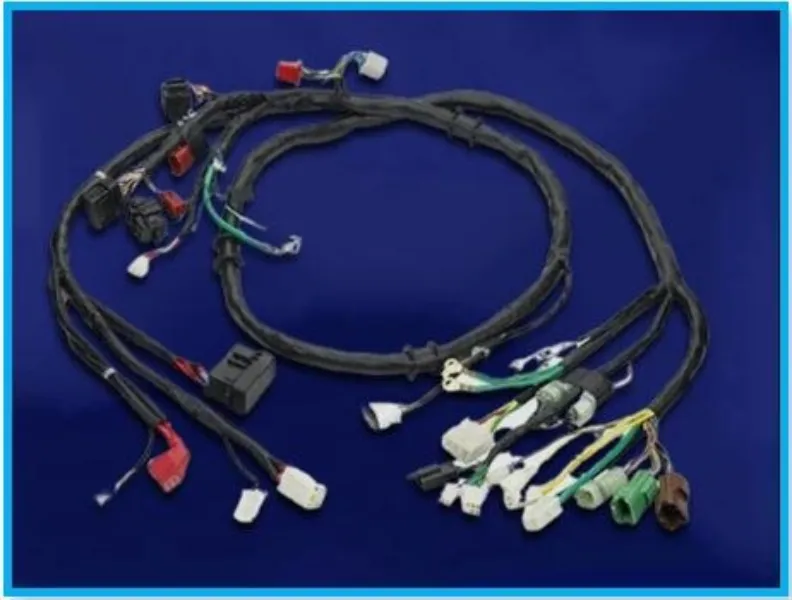
An electrical system may contain dozens or even hundreds of individual connections. Managing those wires individually during production can increase assembly time, create routing inconsistencies, and make troubleshooting more difficult. A properly designed Wire Harness organizes those connections into a structured assembly.
For automotive OEMs, EV manufacturers, appliance companies, machinery manufacturers, and control equipment producers, harness design can directly influence production efficiency.
What a Wire Harness Does
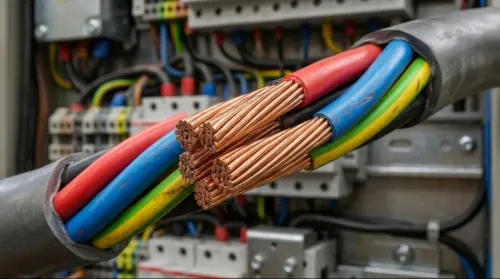
A wire harness groups wires, cables, connectors, terminals, and protective components according to a defined electrical layout.
Instead of technicians routing every wire separately during final assembly, a prepared harness can be installed according to predefined connection points.
This can support repeatability across production units.
Harness Design Starts With the Application
A useful harness cannot be designed from conductor size alone.
OEMs should define:
- Circuit voltage
- Current requirements
- Number of connections
- Wire lengths
- Connector types
- Terminal specifications
- Routing restrictions
- Temperature conditions
- Movement or vibration
- Required protective coverings
Providing drawings or samples can reduce uncertainty during development.
Correct Length Is More Important Than It Appears
A wire that is too short can place stress on terminals and connectors. Excessive length can create unnecessary loops, interfere with components, or make routing untidy.
For repeated OEM production, controlled wire lengths help create a consistent assembly process.
This is why prototyping and dimensional verification are useful before larger production quantities are released.
Terminal Quality Affects the Connection
The cable itself is only one part of a harness. Crimping and termination quality can significantly influence electrical reliability.
Terminals should be compatible with conductor size and connector design. Crimping parameters should also be controlled so that the electrical and mechanical connection is consistent.
Where relevant, manufacturers may conduct continuity or other specified tests before dispatch.
Harnesses Can Reduce Assembly Complexity
A well-planned harness can help manufacturers:
- Standardize wire routing
- Reduce individual wiring operations
- Simplify final assembly
- Improve service identification
- Reduce wiring mistakes
- Improve production repeatability
These benefits become increasingly important as production volumes grow.
Supporting OEM Manufacturing in Delhi
Delhi NCR has a substantial ecosystem of electrical, automotive, electronics, machinery, and industrial equipment businesses. Many OEMs require wiring assemblies in repeated batches rather than as isolated purchases.
Radicon serves wire and cable requirements from Delhi, including solutions relevant to OEM electrical assemblies.
For procurement managers, the most productive starting point is usually a detailed drawing, wiring diagram, bill of materials, or approved physical sample.
A wire harness should not be treated simply as a collection of wires. It is an engineered assembly connecting electrical components throughout a product.
When conductor specifications, lengths, connectors, terminals, routing, protection, and testing requirements are defined carefully, the harness can contribute to faster production, consistent assembly, easier servicing, and dependable electrical connections throughout the finished equipment.
Keywords