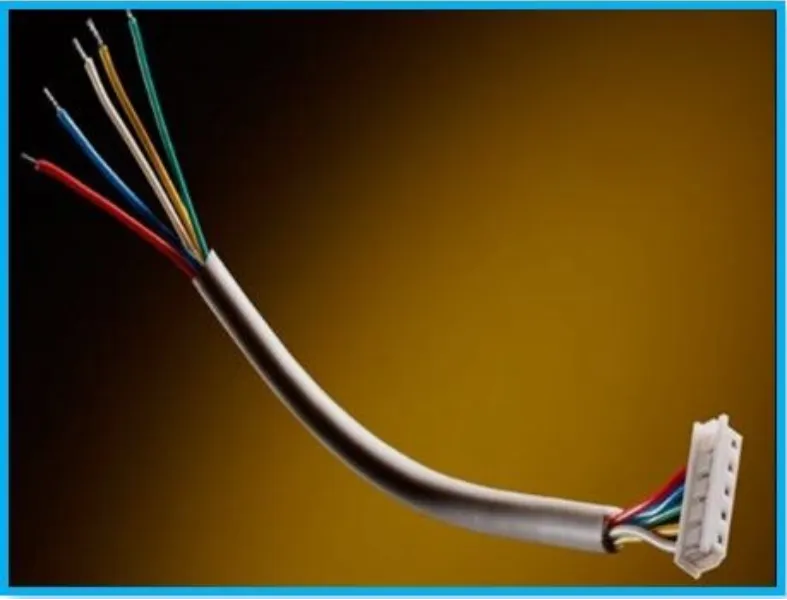
A power cord is often the first electrical connection between equipment and its external power source. For appliance manufacturers, industrial OEMs, electronics companies, and equipment assemblers, selecting Moulded Power Cords requires more attention than simply matching a plug shape with a cable.
The complete assembly needs to suit the electrical load, equipment design, operating environment, and required connection.
Why Moulding Matters
A moulded power cord integrates the cable and plug or connector through a controlled moulding process.
This creates a finished assembly intended to provide consistent mechanical support around the termination area.
For OEM production, moulded assemblies can also reduce the need for certain manual termination operations during final equipment assembly.
Define Electrical Requirements First
Before requesting quotations, specify the equipment's operating voltage and maximum current.
The conductor size and power cord rating must be appropriate for the load.
Procurement teams should avoid choosing a cord based only on its external appearance because visually similar cords may have different electrical specifications.
Cable Length Affects Equipment Design
Power cord length should be defined according to how the equipment will be installed and used.
A cord that is unnecessarily long adds material and packaging volume. One that is too short can inconvenience installation.
OEMs producing standardized products should establish an approved cord length with a practical tolerance.
Evaluate the Cable Construction
Important parameters may include:
- Conductor material
- Conductor cross-section
- Number of cores
- Insulation
- Outer sheath
- Cable flexibility
- Overall diameter
- Voltage rating
- Current requirement
- Plug or connector configuration
The appropriate combination depends on the equipment.
Consider Mechanical Use
A power cord may be bent repeatedly during normal use. Equipment used in workshops, commercial premises, or industrial environments may also experience greater mechanical handling than stationary household products.
Manufacturers should therefore explain the expected operating conditions when defining their cord requirements.
Consistency Is Important for OEM Production
A sample cord may work perfectly, but OEM procurement involves repeated supply.
Buyers should consider whether dimensions, cable length, moulding quality, conductor specifications, and appearance can remain consistent between batches.
This is particularly relevant when cords must fit predetermined packaging, cable management features, or equipment enclosures.
Local Procurement Considerations
Electrical equipment manufacturers in Delhi often source components according to production schedules. Lead time, repeatability, technical communication, and batch quantities can therefore influence procurement alongside unit price.
Radicon manufactures wires, cables, and related electrical solutions in Delhi for industrial and OEM requirements.
When discussing moulded power cords, buyers can improve quotation accuracy by providing the plug configuration, conductor specification, cable length, voltage and current requirements, quantity, equipment application, and any required technical standards.
The most economical cord is not necessarily the one with the lowest initial unit price. A properly specified power cord can reduce assembly complications, minimize specification mismatches, and provide a more consistent interface between the finished equipment and its electrical supply.
For OEMs, establishing an approved specification before volume purchasing is therefore one of the most practical procurement steps.
Keywords