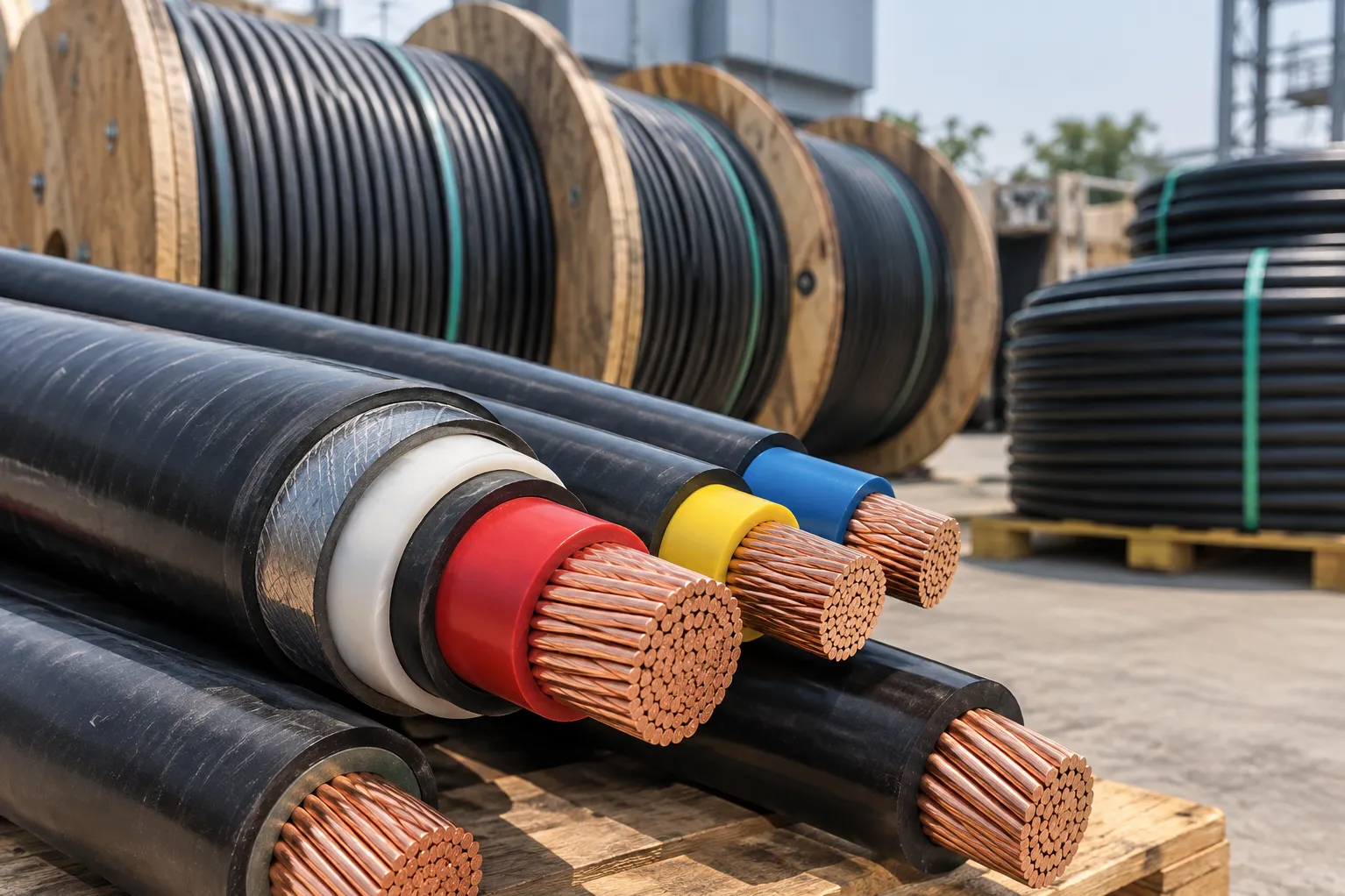
Industrial Power Cables are responsible for carrying electrical energy between distribution systems, machinery, panels, and equipment. A procurement error can affect installation schedules, equipment operation, and project cost, which is why cable purchasing should begin with a clear technical checklist.
For contractors and procurement managers, a structured specification also makes supplier quotations easier to compare.
Confirm the System Voltage
The cable's voltage rating must suit the electrical system where it will operate.
Do not assume that every cable with the required conductor size is suitable for the same voltage class.
Voltage requirements should be clearly included in the purchase specification.
Calculate the Required Conductor Size
Cable sizing should consider more than the connected equipment rating.
Engineers may need to account for current carrying capacity, cable length, voltage drop, ambient temperature, grouping, installation method, and expected operating conditions.
A properly calculated conductor size helps manage both electrical performance and material cost.
Specify Conductor Material Clearly
The required conductor material and construction should be stated explicitly.
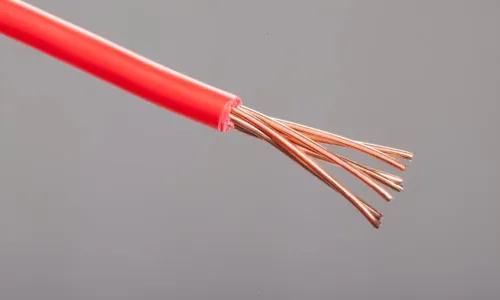
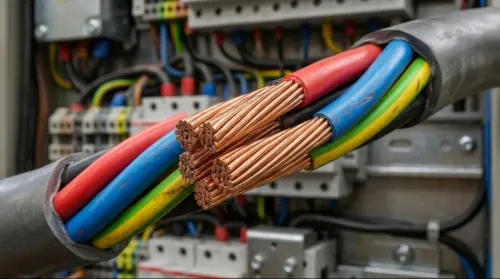
If copper is required, procurement documents should identify it clearly along with conductor size and any necessary strand construction.
This avoids ambiguity when quotations are received.
Define the Installation Environment
Tell the manufacturer where the cable will operate.
For example:
- Inside electrical panels
- Within conduits
- Across industrial equipment
- In utility areas
- In outdoor installations
- Near heat-producing machinery
Environmental information helps determine appropriate insulation and sheath characteristics.
Verify Physical Dimensions
Electrical suitability alone does not guarantee installation compatibility.
Cable diameter and bending requirements can affect glands, trays, conduits, connectors, termination space, and panel entry points.
These details become especially important where existing equipment dimensions cannot be changed.
Request Relevant Documentation
Industrial procurement frequently requires technical documentation for internal approvals and project records.
Depending on project requirements, buyers may request product specifications, test information, manufacturing details, or compliance documentation relevant to the ordered cable.
Requirements should be agreed before the purchase order is finalized.
Plan Quantity and Delivery
Large projects rarely consume every cable at the same stage.
Procurement managers can coordinate required quantities with construction or production schedules to avoid unnecessary site inventory while reducing the risk of material shortages.
For Delhi-based contractors, panel manufacturers, infrastructure companies, and OEMs, local manufacturing access can also make technical coordination and planned supply more practical.
Radicon manufactures wires and cables in Delhi for industrial and electrical requirements. Buyers can provide project specifications to determine the appropriate construction before finalizing commercial quantities.
A useful power cable purchase order should answer several questions clearly: What voltage will the cable carry? What current is expected? How long is the run? Where will it be installed? What environmental conditions will it face? How will it be terminated? What documentation is required?
When those details are established before quotations are compared, procurement decisions become more technically meaningful. The objective is not merely to purchase cable by metre, but to obtain a correctly specified electrical component that fits the installation and operating requirements of the project.
Keywords