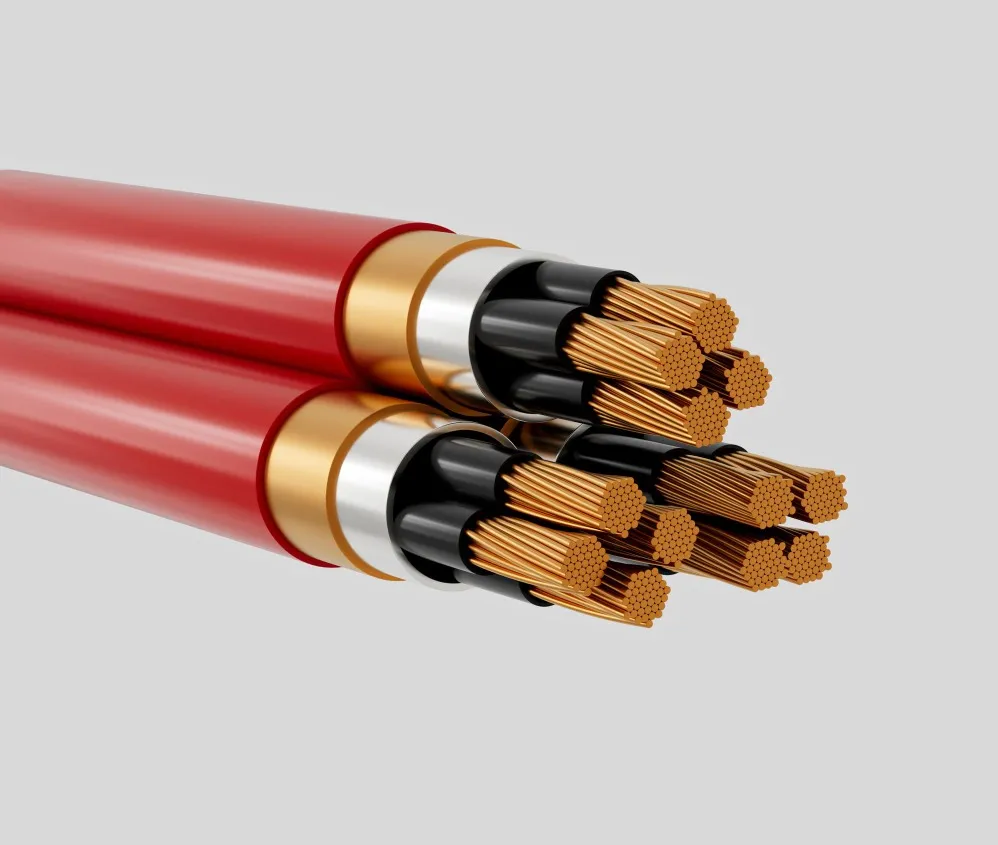
Electrical cables are designed to operate in a variety of environments, from residential buildings and commercial offices to heavy industries and infrastructure projects. One of the most common questions among contractors, consultants, and procurement teams is whether to use armoured or unarmoured cables.
The answer depends on several factors, including installation conditions, mechanical protection requirements, environmental exposure, and project budget. Understanding the strengths of each cable type can help ensure safer installations and better long-term performance.
As industrial and infrastructure development continues across Delhi, choosing the appropriate cable has become increasingly important for projects that demand reliability and durability.
What Are Armoured Cables?
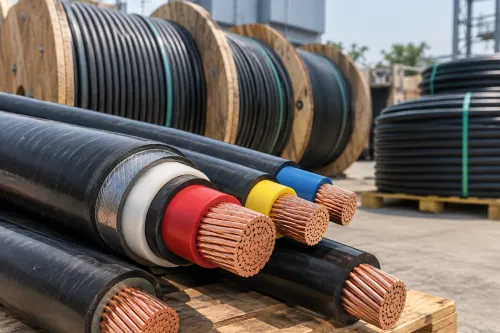
Armoured cables are electrical cables protected by an additional layer of metal armour, typically made from galvanized steel wire or steel tape. This protective layer shields the cable from mechanical damage while maintaining reliable electrical performance.
Armoured cables are commonly used in:
- Underground electrical distribution
- Industrial plants
- Manufacturing facilities
- Outdoor installations
- Construction projects
- Power distribution networks
- Renewable energy installations
Their rugged construction makes them suitable for environments where cables may be exposed to impact, pressure, or accidental damage.
What Are Unarmoured Cables?
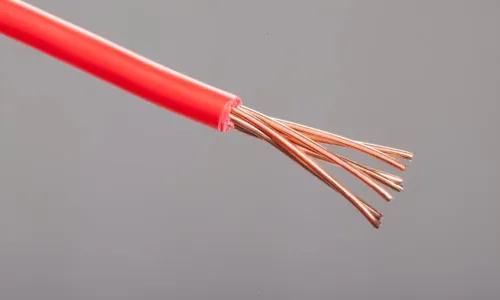
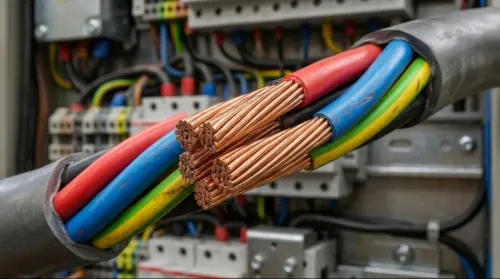
Unarmoured cables do not include a protective metallic armour layer. Instead, they rely on insulation and outer sheathing for protection.
These cables are generally installed in environments where there is minimal risk of physical damage, such as:
- Residential buildings
- Commercial offices
- False ceilings
- Electrical panels
- Cable trays
- Indoor conduit systems
Because they are lighter and more flexible, unarmoured cables are often easier to install in enclosed spaces.
Comparing Armoured and Unarmoured Cables
Mechanical Protection
Armoured cables provide superior resistance to crushing, abrasion, and accidental impact.
Unarmoured cables should be installed where additional external protection is available.
Installation Environment
Outdoor and underground installations generally benefit from armoured cables due to increased exposure to environmental and physical hazards.
Indoor installations often use unarmoured cables where protection is already provided by conduits or cable trays.
Flexibility
Unarmoured cables are typically easier to bend and route through confined spaces.
Armoured cables are more rigid because of their protective metal layer.
Installation Cost
Although armoured cables usually cost more initially, they often reduce maintenance expenses by minimizing the risk of cable damage over time.
When Should You Choose Armoured Cables?
Armoured cables are ideal for:
- Underground cable routes
- Manufacturing facilities
- Warehouses
- Mining operations
- Heavy engineering plants
- Outdoor electrical infrastructure
- Areas with rodent exposure
- Construction sites
These environments require enhanced mechanical protection to ensure uninterrupted electrical performance.
Situations Where Unarmoured Cables Work Well
Unarmoured cables remain an excellent option for:
- Office buildings
- Residential apartments
- Shopping malls
- Educational institutions
- Hospitals
- Indoor switchboards
- Protected electrical rooms
When installed in secure environments, they provide reliable performance while offering easier handling.
Factors to Consider Before Purchasing
Before selecting either cable type, buyers should evaluate:
- Installation location
- Environmental conditions
- Mechanical stress
- Future maintenance requirements
- Electrical load
- Applicable safety standards
- Project lifespan
Considering these factors early helps prevent costly modifications later.
Why Manufacturer Quality Matters
Regardless of cable type, manufacturing quality plays a major role in long-term performance.
Reliable manufacturers invest in:
- High-grade conductor materials
- Precision insulation
- Rigorous testing
- Consistent production processes
- Quality assurance systems
These practices help ensure dependable performance throughout the cable's service life.
Supporting Infrastructure Projects Across Delhi
Delhi's expanding industrial zones, commercial developments, and infrastructure projects require dependable cable solutions capable of meeting demanding operating conditions.
Radicon manufactures armoured and industrial cable solutions designed for projects where safety, durability, and consistent performance are essential. By focusing on quality manufacturing and stringent testing, the company supports contractors, consultants, OEMs, and infrastructure developers seeking dependable electrical solutions.
Choosing between armoured and unarmoured cables should always be based on application requirements rather than cost alone. The right choice contributes to safer installations, lower maintenance costs, and improved operational reliability for years to come.
Keywords