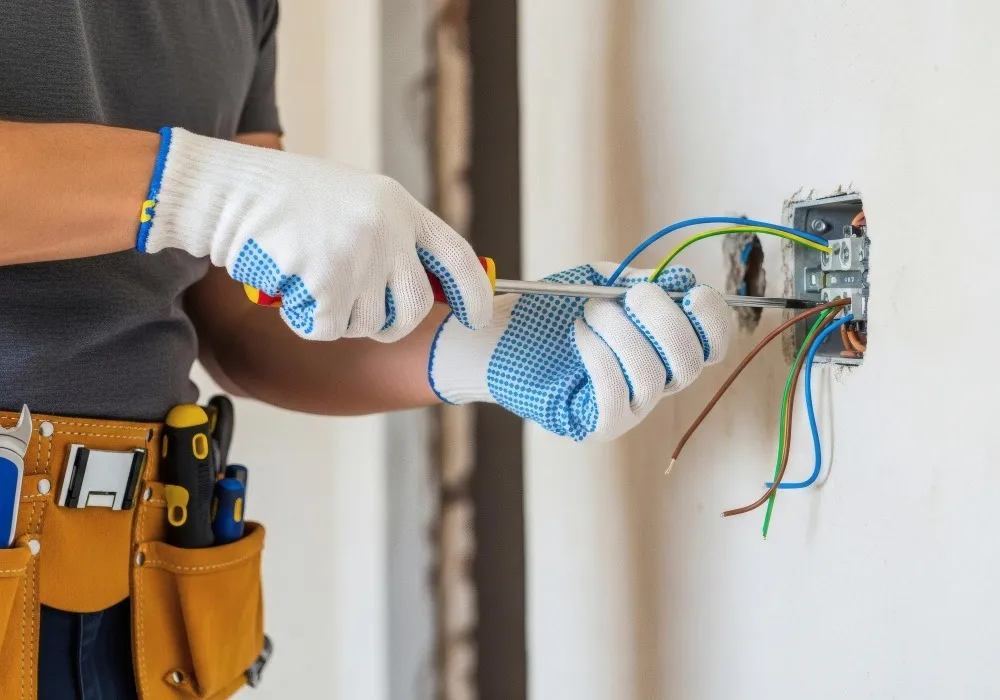
House wiring is concealed behind walls, ceilings, conduits, and distribution systems, making replacement far more disruptive than selecting the correct wire during construction. Builders, electrical contractors, and distributors should therefore assess House Wiring Manufacturers on technical consistency and application suitability rather than focusing only on purchase price.
Understand the Electrical Load
Modern homes can contain air conditioners, water heaters, kitchen appliances, computers, entertainment systems, pumps, lighting circuits, and charging equipment.
Different circuits carry different loads.
Wire size should be selected according to circuit current, installation method, cable length, protective device rating, and applicable electrical requirements.
Using the same conductor size indiscriminately across circuits is not good electrical design.
Check the Conductor
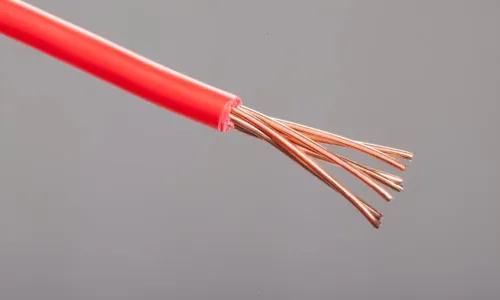
Copper is widely used in residential wiring because of its electrical conductivity and practical installation characteristics.
However, buyers should look beyond a simple 'copper wire' description.
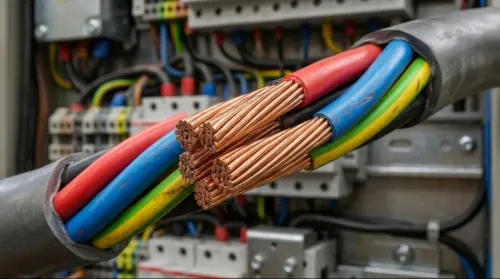
Conductor cross-section, strand consistency, flexibility, and dimensional accuracy can affect electrical performance and installation quality.
For contractors completing multiple apartments or housing projects, consistent wire construction also simplifies stripping and termination work.
Insulation Is a Critical Part of the Wire
The conductor carries current, while insulation helps prevent unintended electrical contact.
The insulation must remain dependable under the expected electrical and thermal conditions.
Poor-quality or inconsistent insulation can create difficulties during pulling, stripping, termination, and long-term operation.
Contractors should therefore evaluate both conductor and insulation quality when comparing products.
Avoid Price-Only Selection
Electrical wire is frequently purchased in large volumes, making price an understandable concern. But an unusually low quotation should be evaluated carefully.
Before comparing prices, confirm that each quotation represents comparable conductor size, material, insulation specifications, coil length, technical requirements, and quality parameters.
Otherwise, apparently similar quotations may represent different products.
Plan for Delhi Installation Conditions
Delhi has extensive residential construction ranging from individual homes to multi-storey developments and renovation projects. Electrical installations can also experience significant seasonal temperature changes.
Contractors working in Delhi should specify wiring according to actual load requirements, routing conditions, distribution board design, and project specifications.
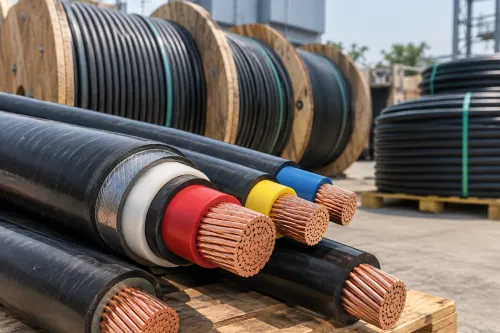
For larger developments, consistent batches and predictable supply can also become important procurement considerations.
Questions Worth Asking a Manufacturer
Before placing an order, buyers can ask:
- What conductor construction is supplied?
- What insulation specification is used?
- What wire sizes are available?
- What electrical ratings apply?
- What testing is performed?
- What technical documentation is available?
- Can supply quantities match the project schedule?
Radicon manufactures wires and cables in Delhi for electrical applications and serves buyers including contractors, distributors, panel manufacturers, and industrial customers.
Residential wiring remains in service for years after a building is completed. Selecting wires with appropriate conductor sizing, dependable insulation, consistent construction, and clear technical specifications helps contractors create electrical installations that are easier to execute and better suited to their intended loads.
Keywords