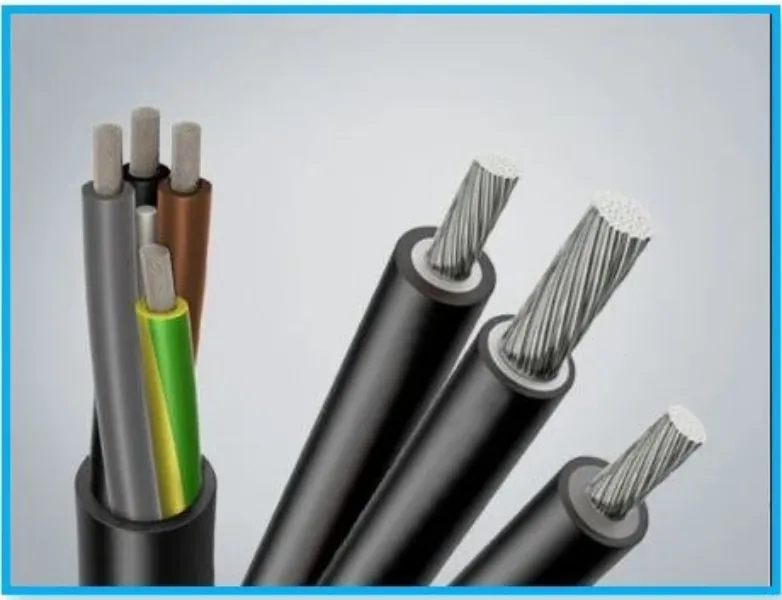
Solar power systems are expected to operate outdoors for many years while handling continuous electrical loads, temperature changes, moisture, sunlight, and environmental exposure. The cable connecting solar panels to inverters and other system components therefore plays an important role in overall system reliability.
Choosing experienced Solar Cable Manufacturers is not simply about finding a cable with the required conductor size. Buyers need to evaluate conductor quality, insulation properties, flexibility, temperature resistance, voltage suitability, and expected installation conditions.
Why Solar Cables Need Specialized Construction
Solar installations differ from conventional indoor electrical systems. A significant portion of the cabling may remain exposed to rooftop heat, sunlight, dust, moisture, and changing weather conditions.
A suitable solar cable should be designed to handle these operating conditions without premature deterioration.
Important characteristics commonly considered include:
- Good electrical conductivity
- Appropriate insulation
- Resistance to heat and environmental exposure
- Flexibility during routing
- Suitable voltage rating
- Mechanical durability
- Consistent conductor construction
Using unsuitable wiring may increase voltage drop, insulation deterioration, maintenance requirements, and the possibility of electrical faults.
Conductor Quality Matters
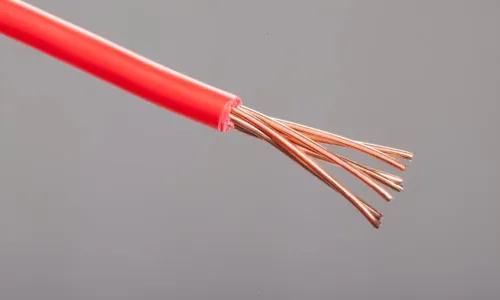
Copper conductors are widely used where efficient current transmission and flexibility are required. However, conductor quality involves more than the material itself.
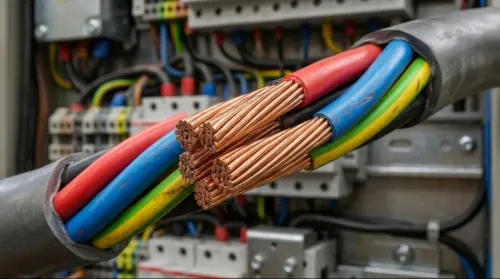
Buyers should evaluate conductor cross-sectional area, strand construction, dimensional consistency, and manufacturing quality.
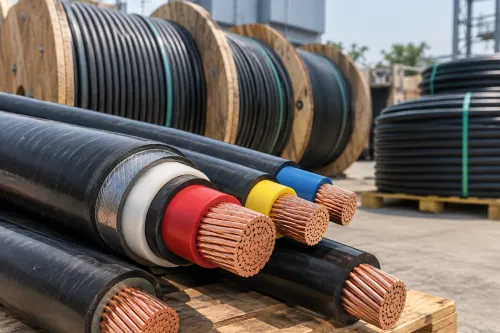
For solar EPC contractors and electrical procurement teams, these factors become particularly important when cables are being purchased in large quantities for commercial and industrial solar projects.
Cable Size Should Match the System
Undersized cables can create excessive voltage drop and heat generation. Oversizing unnecessarily can increase project cost.
Cable selection should therefore consider:
- Maximum operating current
- Cable length
- System voltage
- Permissible voltage drop
- Ambient temperature
- Installation method
- Expected environmental exposure
Engineering calculations should determine the final specification rather than selecting cables purely on price.
Why Insulation Performance Is Important
The insulation and outer sheath protect the conductor from external conditions and electrical contact.
Rooftop installations in Delhi can experience considerable seasonal temperature variation. Solar wiring may face intense summer heat along with dust, rain, and prolonged outdoor exposure.
Appropriate insulation materials help cables retain their electrical and mechanical properties under these conditions.
Check Specifications Before Procurement
Before ordering solar cables, contractors and procurement managers should clearly define the required specifications.
A practical purchase specification can include conductor size, conductor material, voltage rating, insulation type, operating temperature requirements, cable length, packaging requirements, applicable standards, and required documentation.
This reduces ambiguity between the buyer and manufacturer.
Radicon manufactures wires and cables for electrical and industrial applications in Delhi, including solutions relevant to solar power installations. For project buyers, discussing actual operating conditions with the manufacturer can help ensure that the supplied cable matches the intended application.
Solar cables may represent a relatively small part of total project investment, but they form the electrical connection that carries generated power throughout the installation. Correct cable selection can contribute to lower electrical losses, easier installation, dependable operation, and reduced maintenance requirements over the working life of the solar system.
Keywords