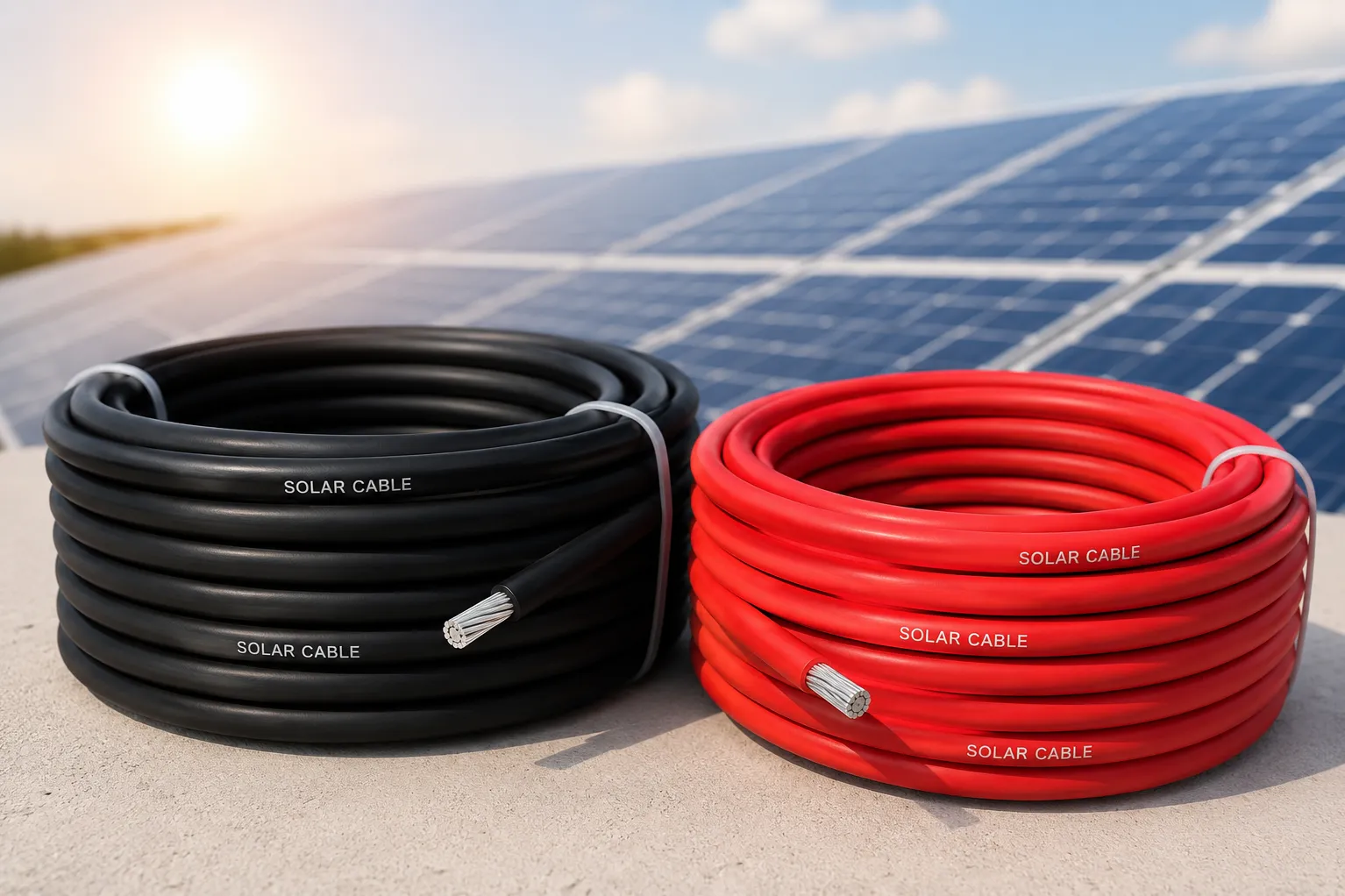
A solar power system is only as reliable as the components used to build it. While solar panels and inverters often receive the most attention, the cables connecting every part of the system play an equally important role. Poor-quality solar cables can lead to energy loss, overheating, insulation damage, and costly maintenance over time. This is why selecting experienced solar cable manufacturers is a critical decision for installers, EPC contractors, and project developers.
With Delhi witnessing steady growth in residential, commercial, and industrial solar installations, the demand for dependable DC solar cables continues to increase. Understanding what differentiates a quality manufacturer from an average supplier can help buyers make better long-term investments.
Why Solar Cables Matter
Solar cables are specifically engineered to carry direct current (DC) generated by photovoltaic panels. Unlike standard electrical cables, they must withstand prolonged exposure to sunlight, fluctuating temperatures, moisture, and mechanical stress.
A quality solar cable offers:
- Excellent UV resistance
- High temperature tolerance
- Superior insulation
- Low power transmission losses
- Long operational life
- Resistance to ozone and weathering
These features ensure that the solar system performs efficiently throughout its expected lifespan.
Characteristics of a Reliable Solar Cable Manufacturer
Not every manufacturer follows the same quality standards. Before placing an order, consider several important factors.
High-Quality Raw Materials
Premium copper conductors provide better electrical conductivity and reduce voltage drops. High-grade insulation materials also improve durability under harsh environmental conditions.
Compliance with Industry Standards
Manufacturers should produce cables that meet relevant Indian and international quality specifications. Compliance indicates that the cables have undergone testing for electrical performance, safety, and durability.
Advanced Manufacturing Facilities
Modern production equipment contributes to consistent cable dimensions, insulation thickness, and conductor quality. Automated manufacturing also minimizes production defects.
Product Testing
Reliable manufacturers perform rigorous testing for:
- Tensile strength
- Heat resistance
- Flame retardancy
- Insulation integrity
- Electrical conductivity
- Aging performance
Testing helps ensure every cable performs reliably in real-world installations.
Understanding Different Solar Cable Applications
Solar projects vary significantly in size and complexity. The cable selected should match the project's operational requirements.
Common applications include:
- Residential rooftop systems
- Commercial solar plants
- Industrial installations
- Utility-scale solar farms
- Agricultural solar pumping systems
- Solar street lighting
Each application may require different cable sizes and current-carrying capacities.
Factors That Influence Cable Performance
Even a well-designed solar installation can suffer if inappropriate cables are selected.
Consider:
- Cable routing distance
- Current rating
- Voltage requirements
- Environmental exposure
- Installation method
- Ambient temperature
Professional installers generally calculate voltage drop before finalizing cable specifications.
Common Mistakes Buyers Should Avoid
Many purchasing decisions focus primarily on price, often overlooking quality.
Some common mistakes include:
- Buying cables without checking certifications
- Ignoring insulation quality
- Selecting undersized cables
- Choosing suppliers with inconsistent manufacturing standards
- Using general electrical cables instead of dedicated PV cables
These decisions may reduce installation costs initially but often increase maintenance expenses later.
Why Local Manufacturing Matters
Working with manufacturers in Delhi offers practical advantages.
Local manufacturers can often provide:
- Faster delivery schedules
- Better inventory availability
- Easier technical discussions
- Reduced transportation costs
- Quicker after-sales support
- Custom production capabilities for large projects
These benefits become particularly valuable for EPC contractors working with strict project timelines.
Evaluating a Manufacturer Beyond Pricing
Rather than comparing quotations alone, buyers should evaluate the complete value offered.
Questions worth asking include:
- How long has the company been manufacturing cables?
- What industries do they serve?
- Can they supply large project quantities consistently?
- Do they maintain quality documentation?
- What testing procedures are followed?
- Is technical assistance available when required?
These considerations often reveal the long-term reliability of a supplier.
Supporting Delhi's Expanding Solar Infrastructure
Delhi's increasing adoption of renewable energy has created significant demand for dependable electrical infrastructure. High-quality DC solar cables contribute directly to safer installations, better system efficiency, and lower maintenance requirements.
Among manufacturers serving this growing sector, Radicon has established itself by focusing on consistent manufacturing quality and products designed for demanding industrial and solar applications. For contractors, distributors, and project developers, choosing a manufacturer committed to quality can help improve the reliability and performance of every solar installation.
Keywords