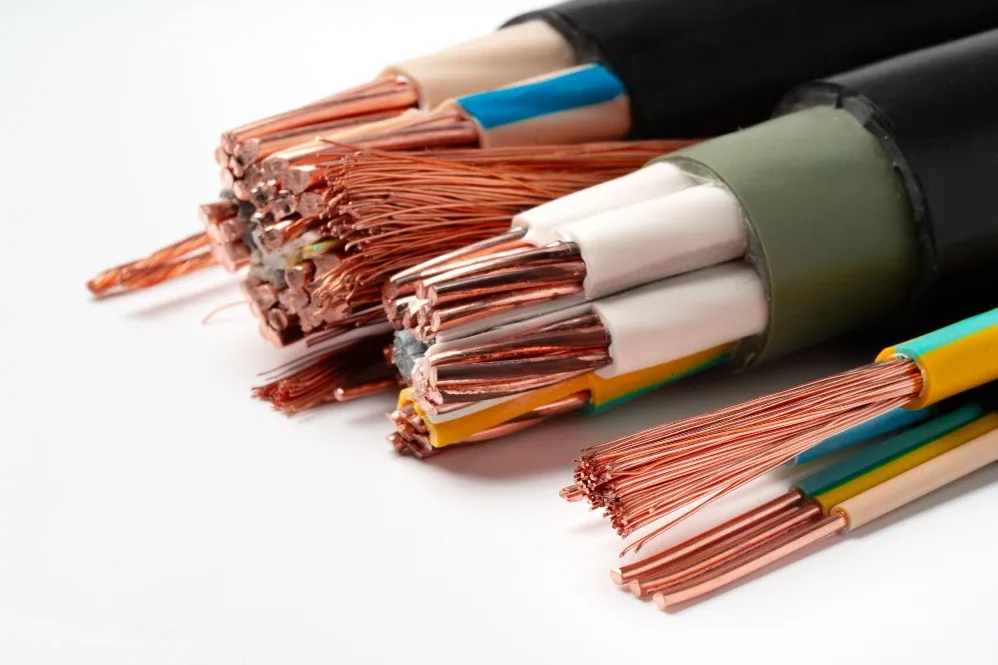
Power cables form the backbone of every electrical installation. Whether electricity is being supplied to factories, commercial complexes, renewable energy plants, hospitals, or infrastructure projects, dependable power cables ensure safe and efficient energy transmission.
Selecting the right power cable is not simply a purchasing decision—it directly affects system performance, operational safety, maintenance requirements, and long-term project costs. As construction and industrial development continue across Delhi, buyers are placing greater emphasis on quality, durability, and compliance when sourcing power cables.
What Are Power Cables?
Power cables are insulated electrical conductors designed to transmit electrical energy from one point to another. They are manufactured in different voltage ratings, conductor sizes, insulation types, and protective constructions depending on their intended application.
Common categories include:
- Low-voltage power cables
- Medium-voltage cables
- High-voltage cables
- Flexible power cables
- Industrial power cables
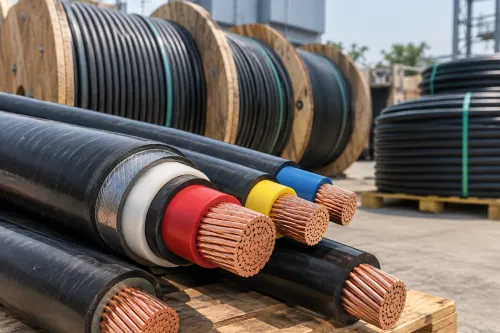
- Armoured power cables
- Underground power cables
Each serves a different purpose depending on the operating environment and electrical load.
Factors to Consider Before Buying Power Cables
Choosing the correct cable involves evaluating several technical and practical considerations.
Electrical Load
The cable must safely carry the expected current without excessive heating.
Incorrect cable sizing can result in voltage drops, reduced efficiency, and safety risks.
Installation Environment
Power cables installed outdoors, underground, or inside industrial plants require different insulation and protective features.
Environmental conditions such as moisture, chemicals, sunlight, and temperature influence cable selection.
Conductor Material
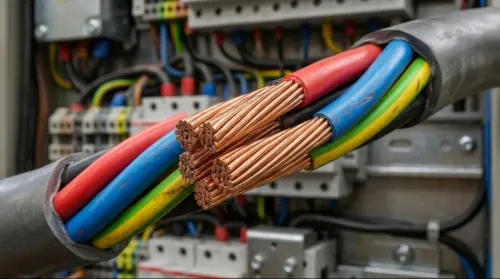
Copper remains the preferred conductor for many applications due to its excellent conductivity, flexibility, and durability.
The conductor quality significantly impacts electrical efficiency.
Insulation Quality
Modern insulation materials improve electrical safety while resisting heat, moisture, and aging.
Selecting high-quality insulation helps extend service life.
Applications Across Multiple Industries
Power cables support countless sectors, including:
- Manufacturing plants
- Commercial buildings
- Shopping malls
- Hospitals
- Airports
- Metro rail projects
- Data centres
- Solar and renewable energy installations
- Water treatment facilities
- Warehouses
Each application demands specific cable characteristics based on operating conditions.
Common Mistakes During Cable Selection
Avoiding these mistakes can prevent expensive operational problems.
- Selecting cables based only on price
- Ignoring future load expansion
- Using incorrect insulation types
- Choosing undersized conductors
- Purchasing from unverified suppliers
- Overlooking testing and quality documentation
A slightly higher investment in quality cables often delivers substantial savings through reduced maintenance and improved reliability.
Questions Buyers Should Ask Manufacturers
Before finalizing a supplier, consider asking:
- What testing procedures are followed?
- Are products manufactured according to recognised industry standards?
- Can the manufacturer supply bulk quantities consistently?
- Is technical guidance available during project planning?
- What industries does the company regularly serve?
- Can customized cable specifications be provided?
These questions help identify manufacturers capable of supporting large-scale projects.
Why Local Manufacturing Offers an Advantage
For infrastructure projects in Delhi, sourcing from established domestic manufacturers provides several operational benefits.
These include:
- Faster production schedules
- Better inventory management
- Reduced transportation delays
- Easier technical coordination
- Reliable after-sales support
- Greater flexibility for customized orders
Such advantages become particularly valuable for contractors working under strict project timelines.
The Role of Quality in Long-Term Performance
Power cables are expected to operate reliably for decades. Poor-quality products may initially reduce procurement costs but often result in increased maintenance, unexpected downtime, and premature replacement.
High-quality manufacturing, premium raw materials, and comprehensive testing contribute directly to cable longevity and operational safety.
Radicon manufactures power cables for industrial, commercial, and infrastructure applications, supporting projects that demand dependable electrical performance. With a focus on manufacturing consistency and product reliability, the company serves contractors, OEMs, consultants, distributors, and industrial buyers across Delhi and other regions.
Choosing the right power cable is ultimately an investment in the efficiency, safety, and durability of the entire electrical system. Careful evaluation today can help prevent costly electrical issues for many years to come.
Keywords