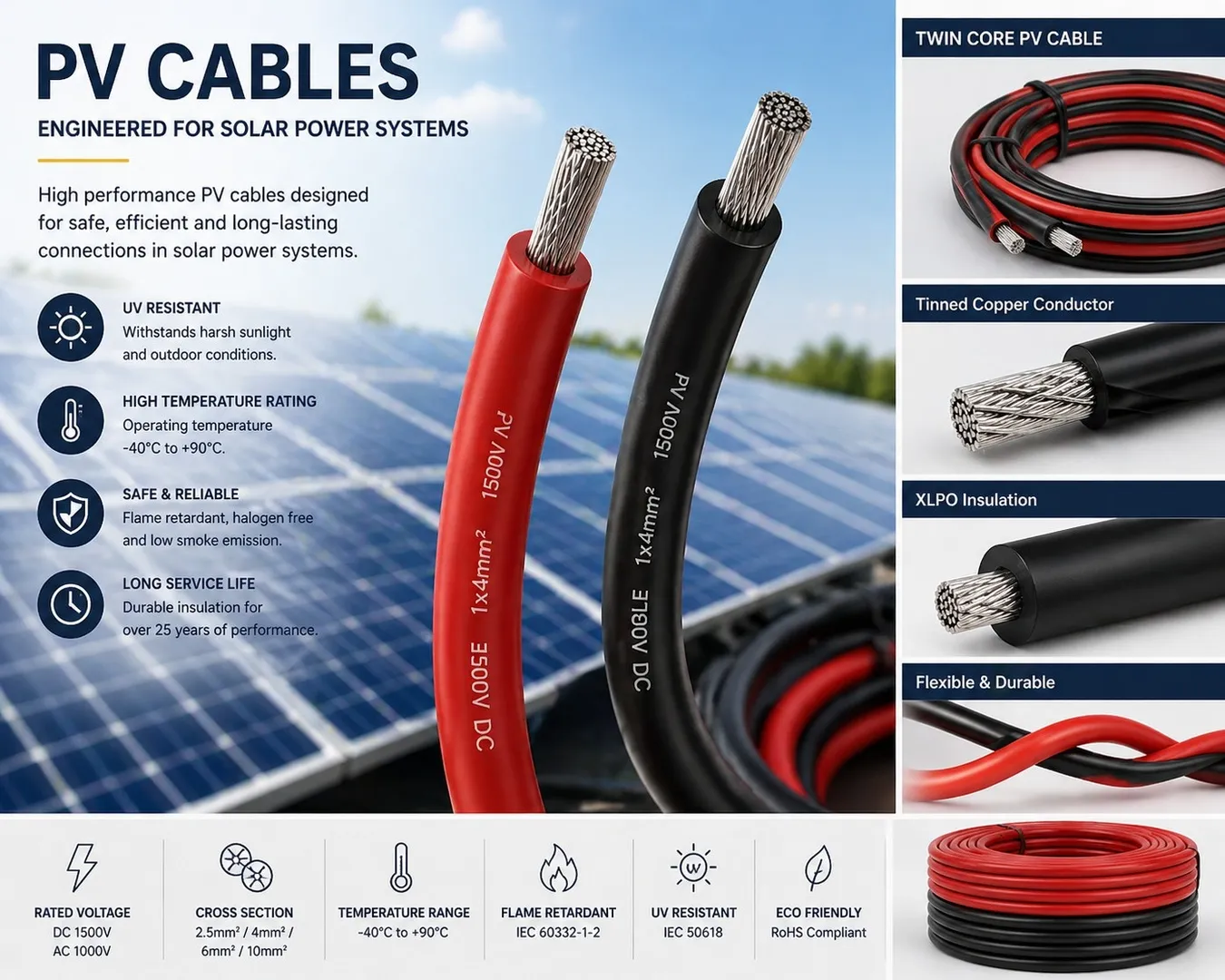
A photovoltaic installation depends on much more than solar modules and an inverter. The cables connecting individual modules, strings, combiner equipment, and power conversion systems continuously carry the electricity generated by the solar array.
For this reason, PV Cables should be selected according to electrical loading and environmental conditions rather than treated as ordinary wiring.
Where PV Cables Are Used
PV cables are commonly installed between solar modules and other DC-side equipment.
Depending on system design, they may be used for connections between modules, solar strings, junction boxes, combiner boxes, and inverters.
Many of these cable runs remain outdoors throughout the operating life of the plant.
Outdoor Conditions Change Cable Requirements
A conventional cable protected inside a building may experience relatively stable conditions. Rooftop PV wiring can face substantially greater environmental stress.
Common factors include high surface temperatures, sunlight, rain, moisture, dust, bending during installation, and prolonged exposure to outdoor conditions.
These factors make insulation and sheath characteristics particularly important.
Delhi's summers can expose rooftop electrical installations to substantial heat. Contractors planning solar projects in the region should consider actual installation temperatures rather than relying only on normal room-temperature conditions.
Voltage Drop Needs Attention
Voltage loss across long DC cable runs can reduce system efficiency.
The appropriate cable size depends on current, cable length, conductor resistance, permissible voltage drop, and operating conditions.
Simply selecting the smallest cable capable of carrying the current may not provide the best system performance.
Designers should calculate both current-carrying requirements and voltage drop before finalizing cable size.
Good Installation Practices Matter Too
Even a correctly specified cable can perform poorly when installed incorrectly.
During installation:
- Avoid unnecessarily sharp bends.
- Protect cables from sharp metal edges.
- Use appropriate connectors.
- Ensure terminations are secure.
- Route cables neatly.
- Prevent unsupported sections where practical.
- Follow the project's electrical design.
Cable routing should also make future inspection and maintenance practical.
Documentation Helps Procurement Teams
For commercial solar projects, procurement departments should request clear technical information before approving a cable.
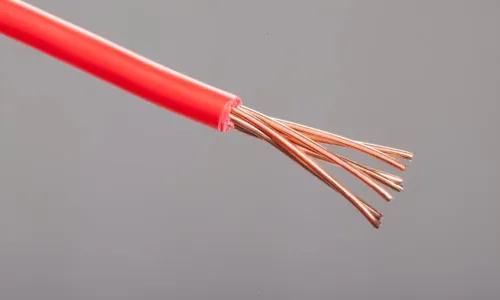
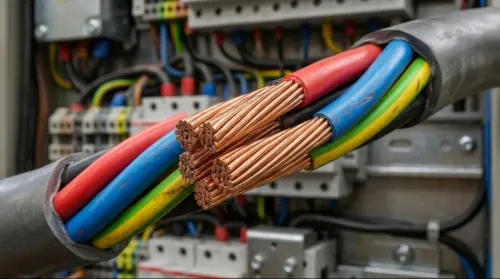
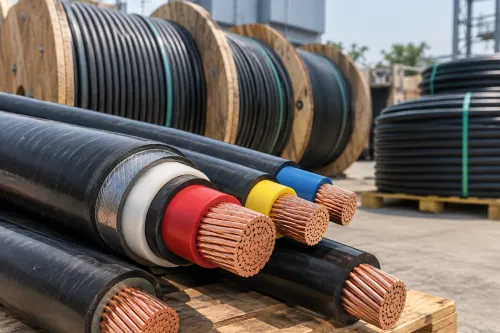
Useful details include conductor construction, nominal conductor area, insulation characteristics, voltage rating, temperature range, cable dimensions, applicable standards, and testing information.
This allows engineering and procurement teams to evaluate the same technical parameters.
Matching Cable Design With the Project
A small rooftop system and a large industrial solar installation can have very different cable quantities, routing distances, current levels, and environmental requirements.
Standardizing cable specifications without considering these differences can lead to unnecessary cost or inadequate performance.
Manufacturers such as Radicon in Delhi work with wires and cables intended for different electrical applications. For solar project procurement, providing complete operating and installation details makes it easier to determine an appropriate cable specification.
PV cables are part of the electrical infrastructure that must continue working after the modules have been installed and commissioned. Proper sizing, appropriate insulation, good conductor quality, secure termination, and disciplined routing all contribute to dependable solar generation.
Treating PV cabling as an engineered component rather than a commodity can help contractors build installations designed for reliable long-term operation.
Keywords