As solar energy adoption continues to grow across Delhi and the rest of India, more homeowners, businesses, and industries are investing in photovoltaic (PV) systems. While solar panels and inverters often receive the most attention, one component that quietly determines the efficiency and safety of the entire installation is the PV cable.
Designed specifically for solar applications, PV cables ensure that electricity generated by solar panels is transmitted safely and efficiently throughout the system. Choosing the right cable can improve energy output, reduce maintenance costs, and extend the lifespan of a solar installation.
What Are PV Cables?
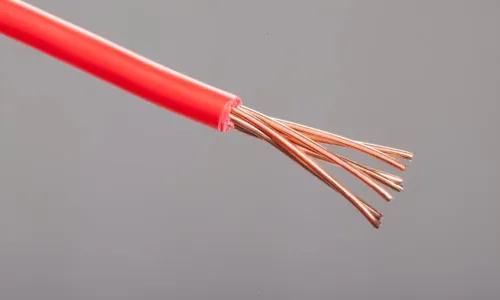
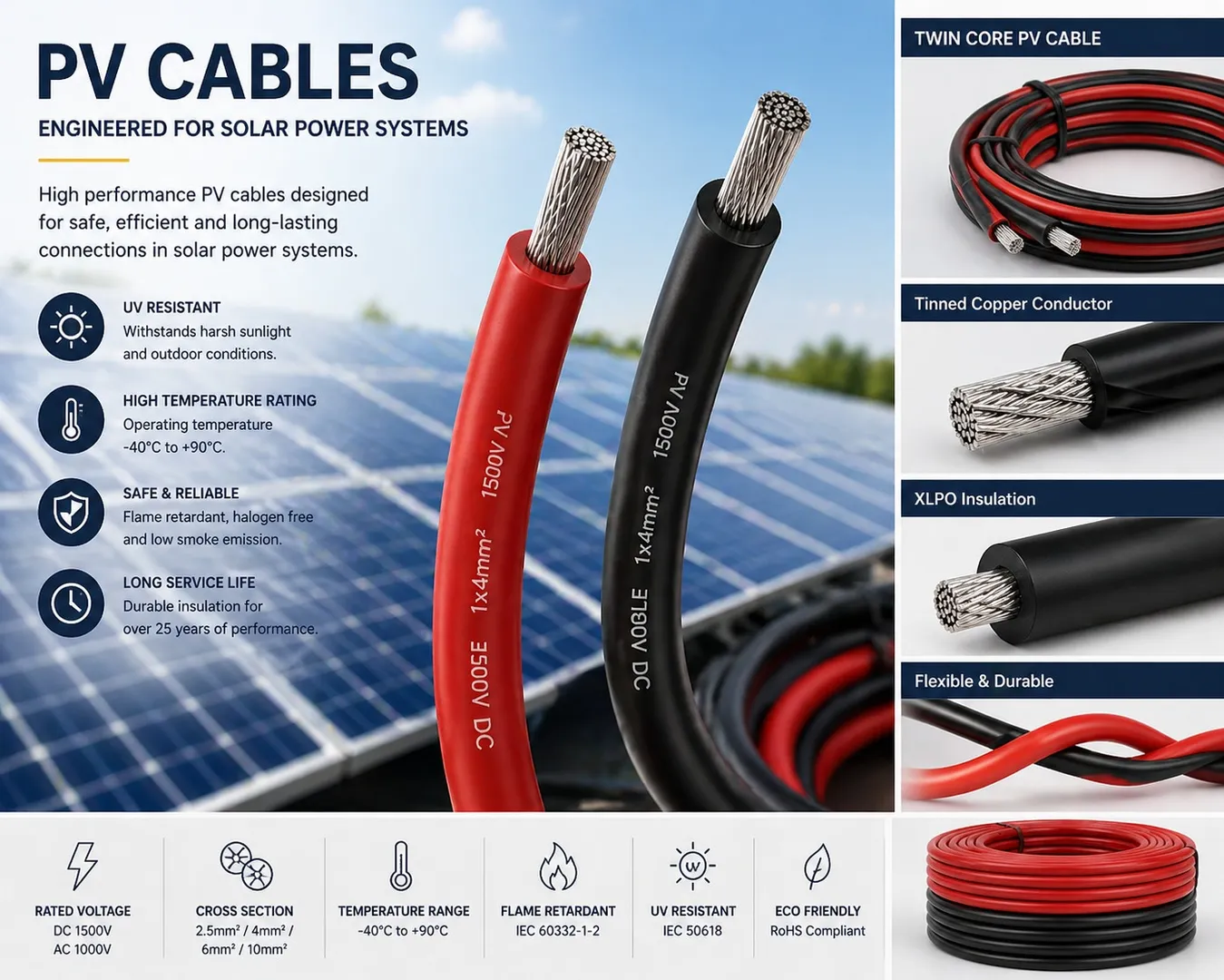
PV (Photovoltaic) cables are specialized electrical cables used to connect solar panels with combiner boxes, charge controllers, inverters, and battery storage systems. Unlike conventional electrical wires, they are manufactured to operate continuously in outdoor environments exposed to harsh weather conditions.
A quality PV cable is designed to withstand:
- Continuous UV exposure
- High ambient temperatures
- Rain and moisture
- Ozone and chemical exposure
- Mechanical stress
- Abrasion and bending
These characteristics make them suitable for installations expected to perform reliably for 25 years or more.
How PV Cables Differ from Ordinary Electrical Cables
Many people assume that any electrical cable can be used in a solar installation. However, PV cables are engineered with features that standard wiring cannot provide.
Some key differences include:
- UV-resistant insulation that prevents cracking under sunlight
- Superior temperature resistance for rooftop conditions
- Flexible stranded copper conductors for easier installation
- Double insulation for enhanced safety
- Better resistance to environmental aging
- Improved electrical conductivity for lower power loss
These advantages directly contribute to safer and more efficient solar systems.
Why Cable Quality Matters
A solar system is only as reliable as its weakest component. Even premium solar panels can experience reduced performance if connected using poor-quality cables.
Inferior cables may lead to:
- Voltage drops
- Excessive heat generation
- Power transmission losses
- Frequent maintenance
- Insulation failure
- Reduced system lifespan
For commercial and industrial projects in Delhi, where uninterrupted power generation is critical, investing in quality PV cables helps avoid unnecessary operational challenges.
Selecting the Right PV Cable
Choosing the correct cable depends on several technical factors.
Installers typically evaluate:
System Voltage
Higher-voltage solar systems require cables designed to handle increased electrical stress safely.
Current Capacity
The conductor size must support the expected current without overheating.
Installation Environment
Outdoor installations require excellent weather resistance, while industrial environments may demand additional mechanical protection.
Cable Routing Distance
Longer cable runs increase voltage drop, making conductor sizing particularly important.
Future Expansion
Many project developers choose cable sizes that accommodate future system upgrades.
Common Applications of PV Cables
PV cables are used across a wide variety of renewable energy projects, including:
- Residential rooftop solar systems
- Commercial office buildings
- Manufacturing facilities
- Warehouses
- Educational institutions
- Hospitals
- Agricultural solar pumping systems
- Utility-scale solar farms
Each application has different electrical requirements, making proper cable selection essential.
Best Practices During Installation
Even the highest-quality cable can underperform if installed incorrectly.
Professional installers recommend:
- Avoiding unnecessary cable bends
- Using appropriate cable clips and supports
- Protecting cables from sharp edges
- Maintaining recommended bending radius
- Using compatible connectors
- Inspecting insulation before installation
Following these practices helps maximize cable lifespan and system reliability.
Why Manufacturing Quality Makes a Difference
Reliable manufacturing processes ensure consistent conductor dimensions, insulation thickness, and overall product performance.
When evaluating manufacturers, buyers should consider:
- Quality control procedures
- Product testing capabilities
- Manufacturing experience
- Material quality
- Production consistency
- Ability to meet large project requirements
These factors often determine how well cables perform over decades of operation.
Meeting the Needs of Delhi's Solar Market
Delhi's growing focus on renewable energy has created demand for dependable electrical components that support long-term performance. Builders, EPC contractors, consultants, and distributors increasingly seek manufacturers capable of supplying high-quality PV cables for projects of every scale.
Radicon is among the manufacturers serving this growing market with cable solutions designed for demanding electrical and solar applications. By focusing on quality manufacturing and consistent performance, the company supports projects where safety, efficiency, and durability are essential.
As solar technology continues to evolve, selecting the right PV cable remains one of the most important decisions for ensuring a dependable and efficient energy system.
Keywords