Industrial environments demand electrical cables that can perform consistently under challenging conditions. From manufacturing plants and steel units to chemical processing facilities and power generation sites, cables are often exposed to high temperatures, moisture, chemicals, vibration, and continuous mechanical stress. This is where choosing the right cable material becomes critical.
Among the most commonly compared options are silicone rubber cables and PVC cables. While both have their place in electrical installations, understanding their differences helps engineers, procurement teams, and industrial buyers make informed decisions.
In Delhi's growing industrial landscape, where factories and infrastructure projects continue to expand, selecting the appropriate cable type can improve operational reliability while reducing maintenance costs.
Understanding Silicone Rubber Cables
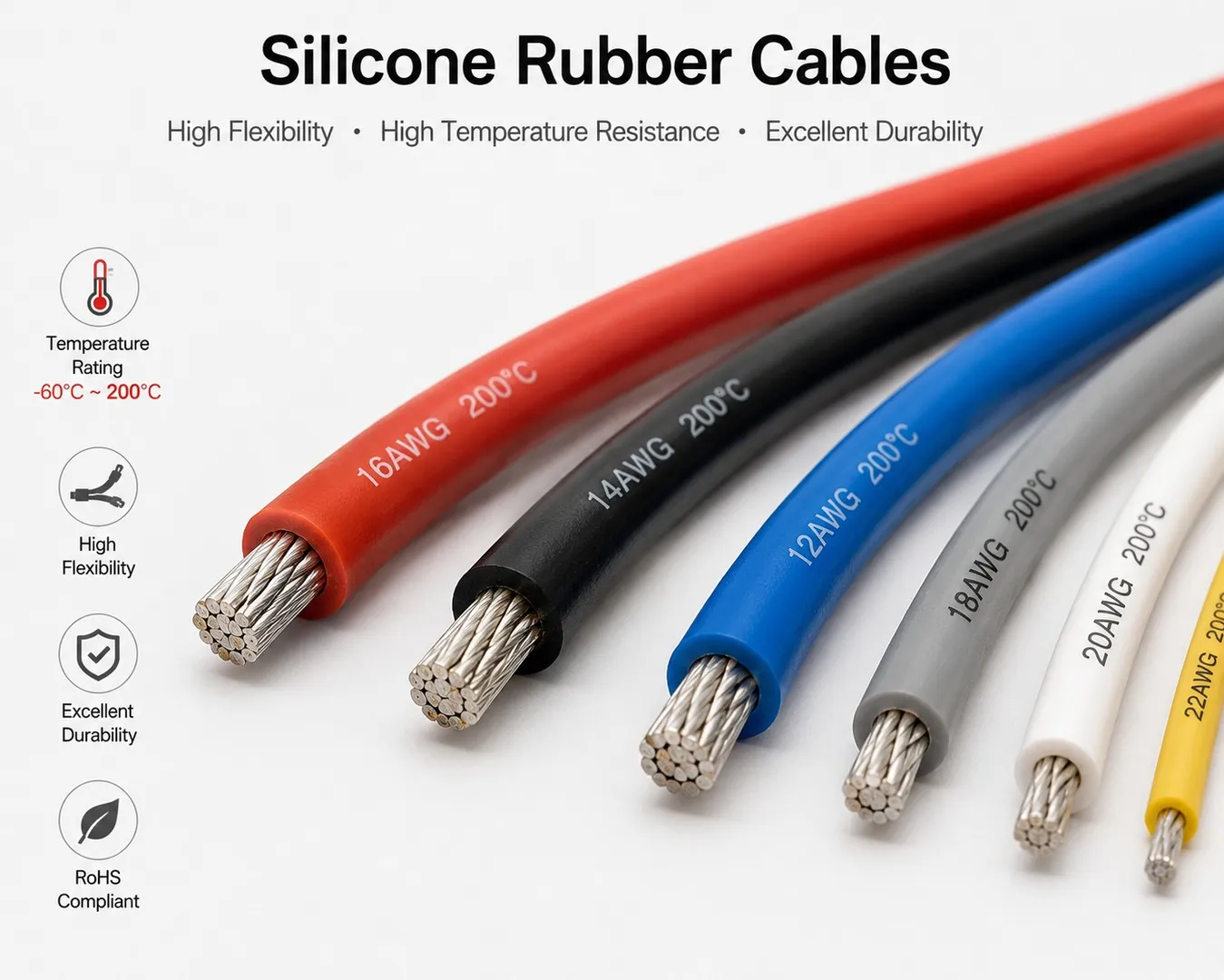
Silicone rubber cables are designed for environments where ordinary insulated cables may fail due to extreme temperatures or demanding operating conditions.
Their insulation remains flexible across a wide temperature range, making them suitable for applications where cables experience constant heating and cooling cycles.
Typical applications include:
- Steel plants
- Glass manufacturing
- Textile machinery
- Foundries
- Power plants
- Furnaces
- Industrial ovens
- Heavy engineering facilities
These cables are engineered to maintain electrical performance without cracking or becoming brittle over time.
What Makes PVC Cables Different?
PVC-insulated cables are widely used because they are economical, easy to install, and suitable for general electrical applications.
They are commonly installed in:
- Residential buildings
- Commercial offices
- Retail spaces
- Educational institutions
- Small workshops
- Standard industrial facilities
While PVC cables perform well under normal operating conditions, they are generally not intended for prolonged exposure to extreme heat or highly demanding industrial environments.
Comparing Silicone Rubber and PVC Cables
When selecting between the two, several factors should be considered.
Temperature Resistance
Silicone rubber cables can withstand significantly higher temperatures than conventional PVC cables, making them ideal for heat-intensive industries.
Flexibility
Silicone insulation remains flexible even in very hot or cold environments. PVC tends to become stiffer under temperature extremes.
Durability
Silicone cables offer excellent resistance to aging, ozone, UV exposure, and environmental degradation, making them suitable for long-term industrial use.
Electrical Safety
Both cable types can provide reliable insulation when manufactured to appropriate standards. However, silicone rubber maintains its insulating properties more effectively in demanding conditions.
Cost
PVC cables are generally more economical for standard electrical installations. Silicone rubber cables involve a higher initial investment but often reduce maintenance and replacement costs in industrial environments.
When Should You Choose Silicone Rubber Cables?
Silicone rubber cables are recommended when installations involve:
- High operating temperatures
- Continuous industrial production
- Outdoor exposure
- Heavy machinery
- Frequent movement or vibration
- Critical electrical systems
These conditions demand insulation that remains stable despite environmental stress.
Situations Where PVC Cables Remain Suitable
PVC cables continue to be an excellent choice for:
- Residential wiring
- Office buildings
- Shopping complexes
- Schools
- Hospitals
- Standard commercial electrical systems
When operating temperatures remain within normal limits, PVC cables offer dependable performance and cost efficiency.
Choosing the Right Manufacturer
Regardless of insulation material, product quality depends heavily on manufacturing standards.
Before selecting a supplier, buyers should evaluate:
- Quality control processes
- Manufacturing infrastructure
- Material consistency
- Product testing procedures
- Industry certifications
- Supply capabilities
- Technical expertise
Reliable manufacturers consistently produce cables that meet demanding project specifications.
Supporting Industrial Growth in Delhi
Industrial development across Delhi and surrounding regions continues to increase the demand for dependable electrical infrastructure. Manufacturing plants, automation systems, and heavy engineering facilities all require cable solutions capable of delivering long-term reliability.
Radicon manufactures industrial cable solutions designed for diverse applications, including silicone rubber cables engineered for demanding operating environments. For project consultants, OEMs, contractors, and industrial buyers, selecting the appropriate cable type ensures safer operations, improved efficiency, and reduced maintenance throughout the lifecycle of the installation.
Keywords