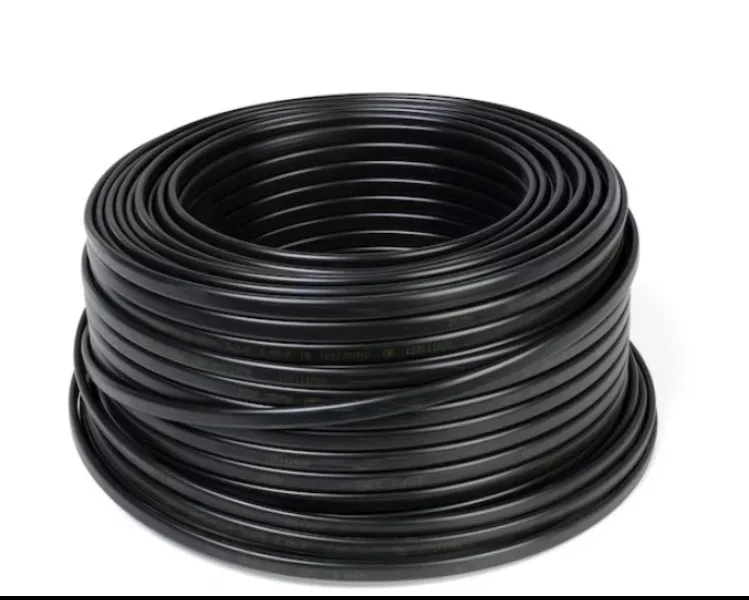
Direct current cables are used across solar installations, battery systems, control equipment, electric vehicles, telecommunications equipment, and industrial electrical applications. Because these systems can operate under very different electrical and environmental conditions, selecting cables based only on conductor size is rarely sufficient.
When evaluating DC Cable Manufacturers, procurement teams should first understand how the cable will actually be used.
Start With Voltage and Current
Every DC circuit has specific voltage and current requirements. The cable conductor must carry the expected current without unacceptable heating while maintaining an appropriate voltage drop.
Long cable runs make voltage-drop calculations particularly important.
Buyers should provide manufacturers with information such as:
- Operating voltage
- Maximum current
- Cable length
- Installation environment
- Ambient temperature
- Required flexibility
- Connection method
- Applicable technical specifications
Clear information reduces the risk of receiving a technically unsuitable product.
Flexible Construction Can Simplify Installation
Industrial equipment and battery applications often require cables to pass through tight spaces or connect equipment where rigid conductors would be inconvenient.
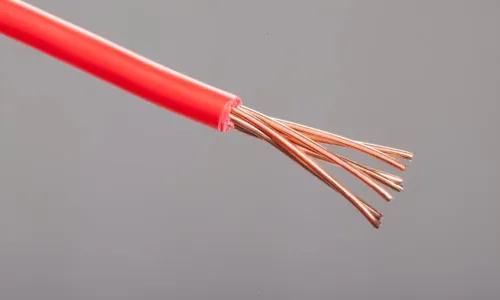
Fine-stranded copper conductors can provide greater flexibility than comparatively rigid conductor constructions. The required strand design should therefore be determined by the installation.
Flexibility becomes especially important in equipment manufacturing, control assemblies, battery connections, and applications involving repeated routing during assembly.
Insulation Should Match Operating Conditions
A DC cable used inside protected equipment does not face the same conditions as one installed outdoors or near heat-generating machinery.
Buyers should consider exposure to:
- Heat
- Moisture
- Oils
- Chemicals
- Abrasion
- Sunlight
- Mechanical movement
The insulation system should be selected according to these conditions rather than using one cable type universally.
Manufacturing Consistency Matters in Bulk Orders
For OEMs and electrical distributors, consistency can be as important as individual cable performance.
Variation in conductor diameter, insulation thickness, cable dimensions, or flexibility can create problems during cutting, termination, crimping, and automated assembly.
Procurement managers should therefore discuss dimensional tolerances and required quality documentation before placing substantial orders.
Look Beyond the Quoted Price
Two cables with similar descriptions may not necessarily have identical construction.
A meaningful comparison should examine conductor specifications, insulation material, voltage rating, temperature suitability, dimensional consistency, packaging, testing, and manufacturer support.
Delhi is a major procurement centre for electrical equipment serving industrial customers across North India. Buyers sourcing DC wiring from the region often benefit from working with manufacturers capable of discussing application requirements rather than simply supplying a generic product.
Radicon serves electrical and industrial customers from Delhi with wire and cable manufacturing solutions for different applications.
The best procurement decision begins with a technically clear specification. When voltage, current, installation environment, conductor construction, insulation requirements, and quantity are defined before requesting quotations, buyers can compare DC cable manufacturers on meaningful parameters instead of relying primarily on price.
Keywords