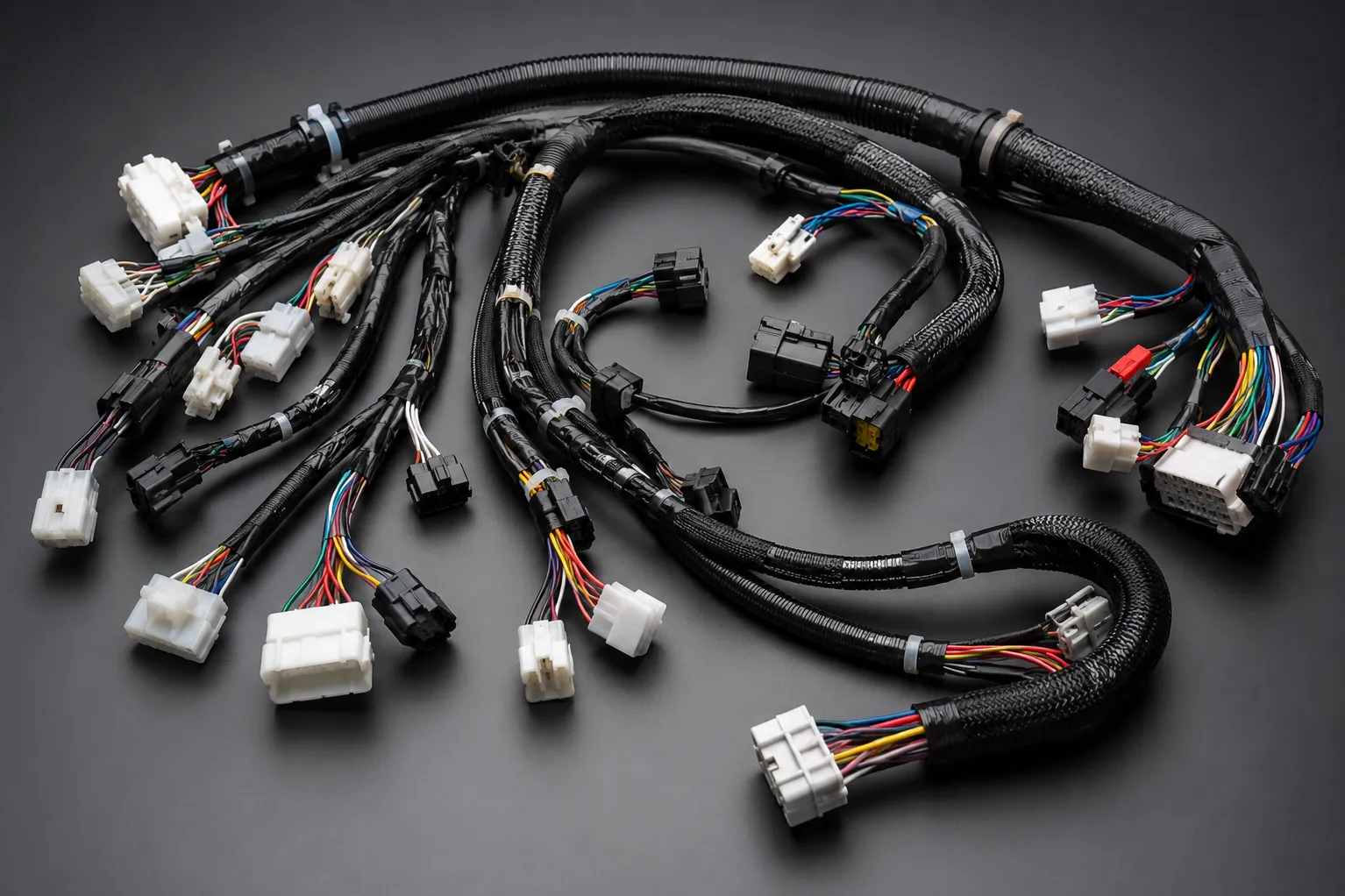
Modern electrical equipment relies on more than individual wires to operate efficiently. Behind every automobile, industrial machine, medical device, home appliance, and automation system is an organized network of electrical connections known as a wire harness.
A properly designed wire harness improves safety, simplifies installation, enhances reliability, and reduces maintenance requirements. As industries across Delhi increasingly adopt automation and advanced manufacturing technologies, demand for high-quality wire harness solutions continues to grow.
Understanding how wire harnesses function and why they matter can help OEMs, equipment manufacturers, and procurement professionals make better design and purchasing decisions.
What Is a Wire Harness?
A wire harness is an organized assembly of wires, connectors, terminals, sleeves, clips, and protective coverings that transmit electrical power and signals throughout a machine or system.
Instead of routing dozens of individual wires separately, manufacturers combine them into a structured assembly designed specifically for the equipment.
This organized design improves efficiency while reducing installation complexity.
Key Advantages of Wire Harness Assemblies
Wire harnesses provide several operational and manufacturing benefits.
Simplified Installation
Pre-assembled harnesses significantly reduce installation time during equipment manufacturing.
Instead of connecting individual wires manually, technicians install a complete harness designed for the application.
Better Reliability
Organized wiring reduces loose connections, incorrect routing, and installation errors.
This contributes to more consistent electrical performance over time.
Improved Safety
Protective sleeves, insulation, and secure routing minimize the risk of abrasion, short circuits, and accidental wire damage.
This is particularly important in equipment exposed to vibration or movement.
Easier Maintenance
Well-organized harness assemblies simplify troubleshooting because wires are properly labeled, grouped, and routed.
Maintenance teams can identify faults more quickly, reducing equipment downtime.
Industries That Use Wire Harness Solutions
Wire harnesses are essential across numerous industries.
Common applications include:
- Automotive manufacturing
- Electric vehicles
- Industrial automation
- Medical equipment
- Consumer electronics
- Home appliances
- Agricultural machinery
- Renewable energy systems
- Robotics
- Telecommunications
Each industry requires customized harness designs tailored to its equipment.
Factors That Influence Wire Harness Quality
Not all harness assemblies are manufactured to the same standard.
Several elements determine overall quality.
High-Grade Conductors
Premium copper conductors ensure efficient power transmission while minimizing resistance.
Reliable Connectors
Quality connectors improve durability and reduce the likelihood of electrical failures.
Protective Sleeving
Harnesses operating in demanding environments often require additional protection against heat, chemicals, abrasion, and moisture.
Accurate Assembly
Proper routing, labeling, and terminal crimping contribute to long-term reliability.
Common Design Considerations
Engineers typically evaluate several factors before finalizing a harness design.
These include:
- Voltage requirements
- Current load
- Environmental exposure
- Available installation space
- Connector compatibility
- Mechanical movement
- Future servicing requirements
Careful planning helps improve both manufacturing efficiency and product reliability.
Choosing the Right Manufacturing Partner
Selecting an experienced wire harness manufacturer involves more than comparing prices.
Buyers should consider:
- Design support capabilities
- Manufacturing precision
- Testing procedures
- Quality documentation
- Production capacity
- Customization options
- Industry experience
A capable manufacturing partner can help optimize both product performance and production efficiency.
Supporting Advanced Manufacturing in Delhi
As manufacturing facilities across Delhi continue investing in automation, robotics, and smart production systems, dependable electrical assemblies are becoming increasingly important.
Companies such as Radicon manufacture wire harness solutions designed to meet the needs of OEMs, industrial equipment manufacturers, electrical contractors, and infrastructure developers. By focusing on precision manufacturing and consistent quality, the company supports industries where dependable electrical connectivity directly impacts operational performance.
Whether used in electric vehicles, industrial machinery, or sophisticated automation systems, a well-designed wire harness remains one of the most valuable components for achieving reliable, efficient, and organized electrical performance.
Keywords